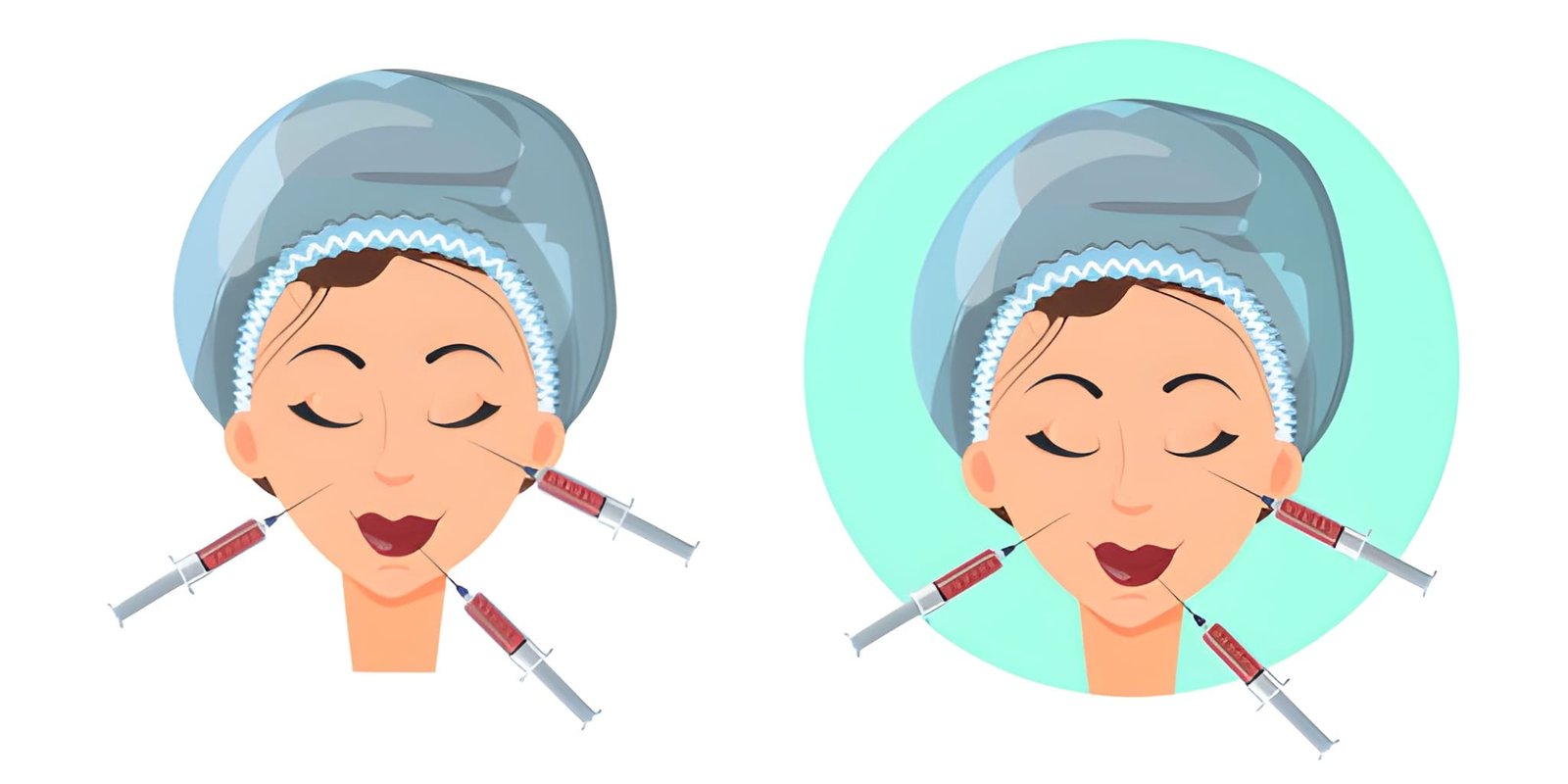
Face Fat Transfer vs. Fillers: Which Ages Better in the Long Run?
Walk into any aesthetic clinic today, and this question comes up quietly but often: Should I go for fillers or fat transfer if I want results that age well? Not just look good next month, but still feel right five or ten years down the line.
On paper, both promise volume, youth, and contour. In real life, the story is more nuanced.
Fillers are popular because they’re quick, predictable, and reversible. A patient can walk in during a lunch break, soften nasolabial folds, lift tired cheeks, and walk out looking refreshed. For first-timers, fillers feel “safe.” There’s comfort in knowing the result isn’t permanent and can be adjusted. In practice, though, what’s often overlooked is cumulative filler use. Faces don’t just age; they remember.
After years of repeated filler sessions, some patients begin to notice heaviness, puffiness, or a slightly artificial look, especially in the midface. Not because fillers are bad, but because faces change while filler placement often stays habitual. The mistake many patients make is assuming more filler equals better youth, when in reality, strategic restraint ages better than volume stacking.
Fat transfer tells a different story. It’s surgery, not a quick fix, and that alone filters the kind of patient who chooses it. Fat is harvested from the patient’s own body, usually the abdomen or thighs, and carefully injected into the face. What makes fat transfer age better long-term is that it behaves like living tissue. Once it settles, it moves, softens, and ages with the face.
In real clinical experience, patients who’ve had successful fat transfer often look “naturally well-rested” years later, rather than obviously treated. There’s no stiffness, no overfilled look, and no recurring top-ups every few months. That said, fat transfer is not perfect or predictable. Some of the fat will be absorbed. Sometimes more than expected. Sometimes less. This uncertainty scares patients, and rightly so.
Another common misconception is that fat transfer is a one-time, forever solution. It’s not. Ageing doesn’t stop. Fat transfer slows the look of ageing but doesn’t freeze time. Patients who age best after fat transfer are usually those who understand this and pair it with good skincare, lifestyle choices, and occasional minor treatments, not constant corrections.
So which ages better?
In the long run, fat transfer tends to age more gracefully, especially for patients in their late 30s and beyond who are experiencing true volume loss, not just lines. Fillers, when used conservatively and strategically, still have an important role, particularly for younger patients or those wanting subtle, temporary enhancement.
The real difference isn’t fat versus filler. It’s intent versus overuse, and planning for the face you’ll have in ten years, not the mirror you’re staring at today.
That’s the conversation experienced surgeons have, and the one patients benefit from most.