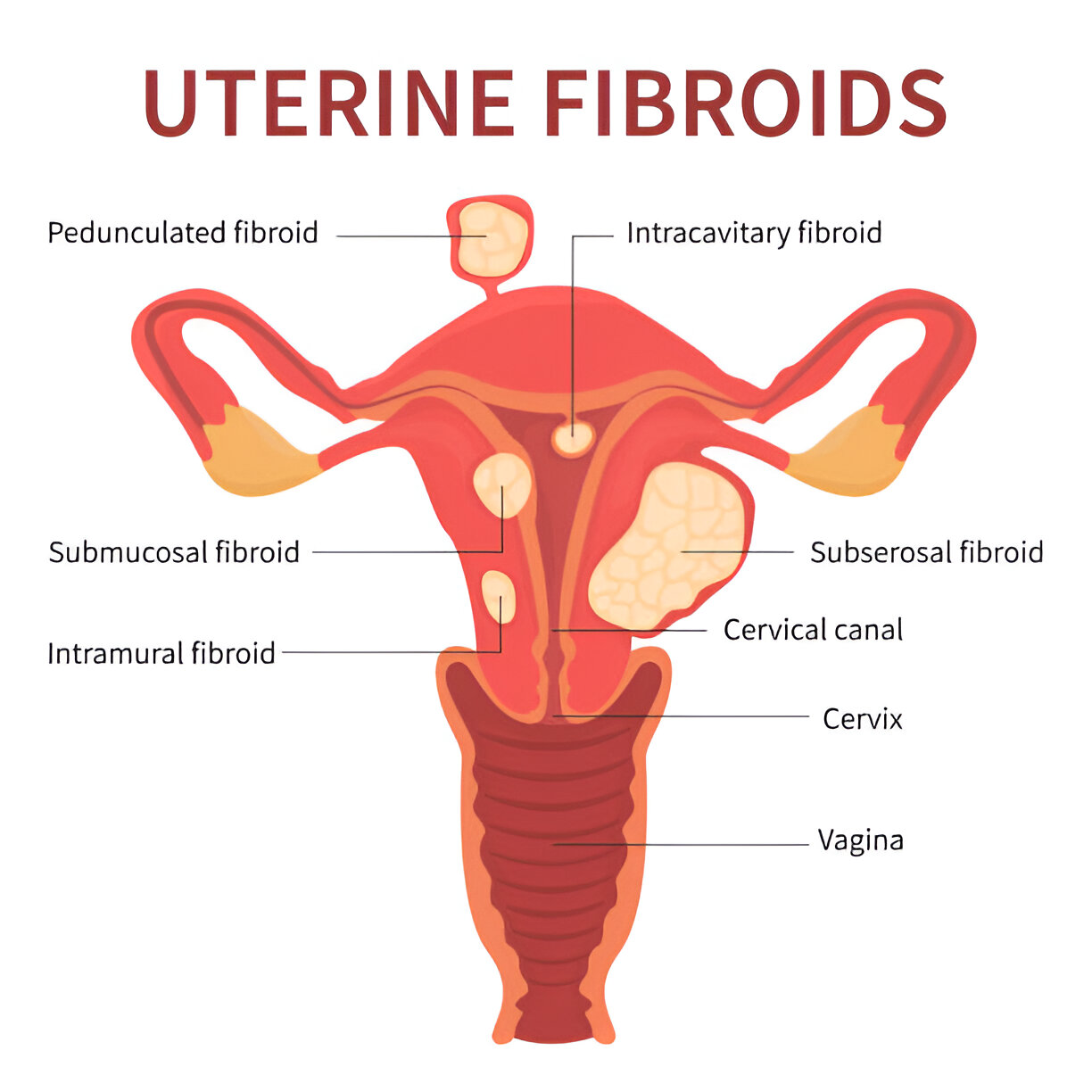
Uterine Fibroids:
Don't ignore the signs.
Do you often struggle with heavy periods, constant pelvic pain, or unexplained bloating? You're not alone— and these symptoms might be more than just “normal period problems.” They could be signs of uterine fibroids, a condition that affects millions of women but often goes undiagnosed.
Uterine fibroids affect up to 70% of women by the age of 50, yet many go undiagnosed. As we mark July as Fibroid Awareness Month, it's time to break the silence around this common yet misunderstood health issue. In this blog we’ll uncover some of your questions regarding fibroids.
🌸 What are Uterine Fibroids?
Uterine fibroids are non-cancerous muscular tumors that grow in or around the uterus. Though benign, they can cause serious discomfort and may affect fertility.
💬 What causes fibroids?
While the exact cause is unknown, fibroids are believed to be influenced by
- Hormonal imbalance (— particularly estrogen and progesterone).
- Genetics
- Obesity
- Early menstruation
- Poor lifestyle habits
🔎 How do I know if I have fibroids?
Most women don't know they have fibroids until a routine pelvic exam or ultrasound reveals them. Common fibroid symptoms include:
- Heavy or prolonged period
- Pelvic pain or pressure
- Frequent urination
- Lower back pain pain during intercourse
- Abdominal bloating or visible swelling
- Difficulty getting pregnant
✔️Tip: If you are experiencing fibroid symptoms after 40, don't ignore them– they can affect your quality of life and reproductive health.
⚖️ Fibroids vs PCOS : What's The difference?
Many women confuse fibroids and PCOS (Polycystic Ovary Syndrome) due to overlapping symptoms like irregular periods and infertility. But they are different conditions:
- Fibroids are muscle growth in the uterus
- PCOS is a hormonal disorder with cyst in the ovaries
Wondering about the difference between fibroids & PCOS? PCOS is hormonal and often affects metabolism, while fibroids are structural and cause pressure symptoms.
⚠️ Can Fibroids cause weight gain ?
- Yes! Fibroids can cause weight gain, especially if they grow large. They can lead to:
- Abdominal bloating
- Unexplained weight gain
- Pressure in the pelvic region
🤔 Are fibroids cancerous?
Most fibroids are non-cancerous. In extremely rare cases( less than 1%), fibroids may develop into a cancerous tumor called leiomyosarcoma.
💉 Fibroids treatment options : Surgical & Non- surgical
Treatment depends on symptoms, size, and your reproductive plans. Options include:
- Medications (to shrink fibroids)
- Uterine Fibroid Embolization (UFE) (-cuts off blood supply to fibroid)
- Myomectomy (removal of fibroids, preserving the uterus)
- Hysterectomy (removal of the uterus in severe cases)
For many the best treatment for fibroids without surgery includes:
- hormonal therapy
- lifestyle changes
- minimally invasive procedures
Many women ask : “Do fibroids go away on their own?”-- Small fibroids may shrink after menopause, but most require medical attention if symptomatic.
🌿Natural remedies for fibroids :
While not a cure, some natural approaches may ease symptoms:
- Eating anti inflammatory foods (leafy greens, berries, whole grains)
- Avoiding red meat,caffeine and alcohol
- Regular exercise and stress management
- Supplements like vitamin D
✔️Tip: Wondering about foods to avoid with fibroids?
Limit soy, red meat, and high fat dairy as they may worsen hormonal imbalance.
🩺 If you are experiencing symptoms or have questions— we are here to help you! The good news? With timely diagnosis and personalized treatment plan, fibroids are highly manageable. “ Your journey to a fibroid- free life starts with the best gynaecologist near you!” Our experienced team is here to help you, from advanced diagnostics to both surgical and natural treatment options, we offer comprehensive fibroid care you can trust.