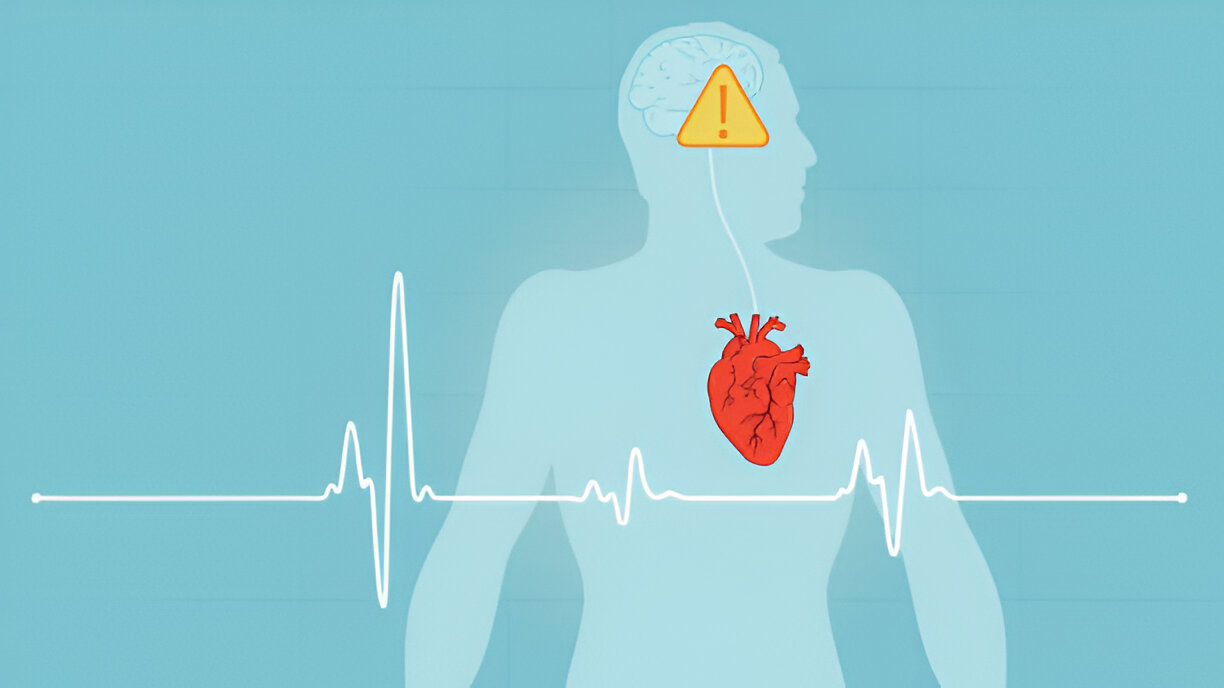
Stroke Warning Signs: Time Lost is Brain Lost
When it comes to a stroke, every second counts. A stroke occurs when the blood flow to a part of the brain is interrupted or reduced, depriving brain tissue of oxygen and nutrients. Within minutes, brain cells begin to die. That’s why recognizing the warning signs early and getting immediate medical help can make the difference between recovery and disability—or even life and death.
The phrase “Time Lost is Brain Lost” is not just a slogan—it’s a critical reminder that acting FAST can save brain function.
What Is a Stroke?
A stroke is a medical emergency caused by:
- Ischemic Stroke: The most common type, caused by a clot blocking blood flow to the brain.
- Hemorrhagic Stroke: Caused by a ruptured blood vessel bleeding into the brain.
- Transient Ischemic Attack (TIA): Often called a “mini-stroke,” it’s a temporary blockage that lasts only a few minutes but is a major warning sign of a future stroke.
Recognizing the Signs: Act FAST
The easiest way to remember stroke symptoms is the F.A.S.T. acronym:
- F – Face Drooping: Is one side of the face numb or drooping? Ask the person to smile.
- A – Arm Weakness: Is one arm weak or numb? Ask the person to raise both arms. Does one drift downward?
- S – Speech Difficulty: Is speech slurred or strange? Ask them to repeat a simple sentence.
- T – Time to Call Emergency Services: If someone shows any of these symptoms, even briefly, call emergency services immediately.
Additional symptoms may include:
- Sudden trouble seeing in one or both eyes
- Sudden confusion or trouble understanding
- Sudden difficulty walking, dizziness, or loss of balance
- Sudden severe headache with no known cause
Why Every Second Matters
In a stroke, nearly 2 million brain cells die each minute the brain is deprived of oxygen. The faster you get medical treatment—ideally within the first “golden hour”—the better your chances of minimizing damage and maximizing recovery.
Clot-busting medications like tPA (tissue plasminogen activator) can only be administered within a certain time window (usually 3 to 4.5 hours from the onset of symptoms), so delaying help can cost valuable time and function.
Who’s at Risk?
While strokes can happen to anyone, risk factors include:
- High blood pressure
- Diabetes
- Smoking
- High cholesterol
- Obesity
- Sedentary lifestyle
- Atrial fibrillation (irregular heartbeat)
- Family history of stroke
Prevention is possible with regular check-ups and a healthy lifestyle.
Stroke is a race against time, but you can win with awareness, quick thinking, and immediate action. Educate yourself and your loved ones. Know the signs. Act FAST. Because when it comes to a stroke, saving time means saving brain and lives.