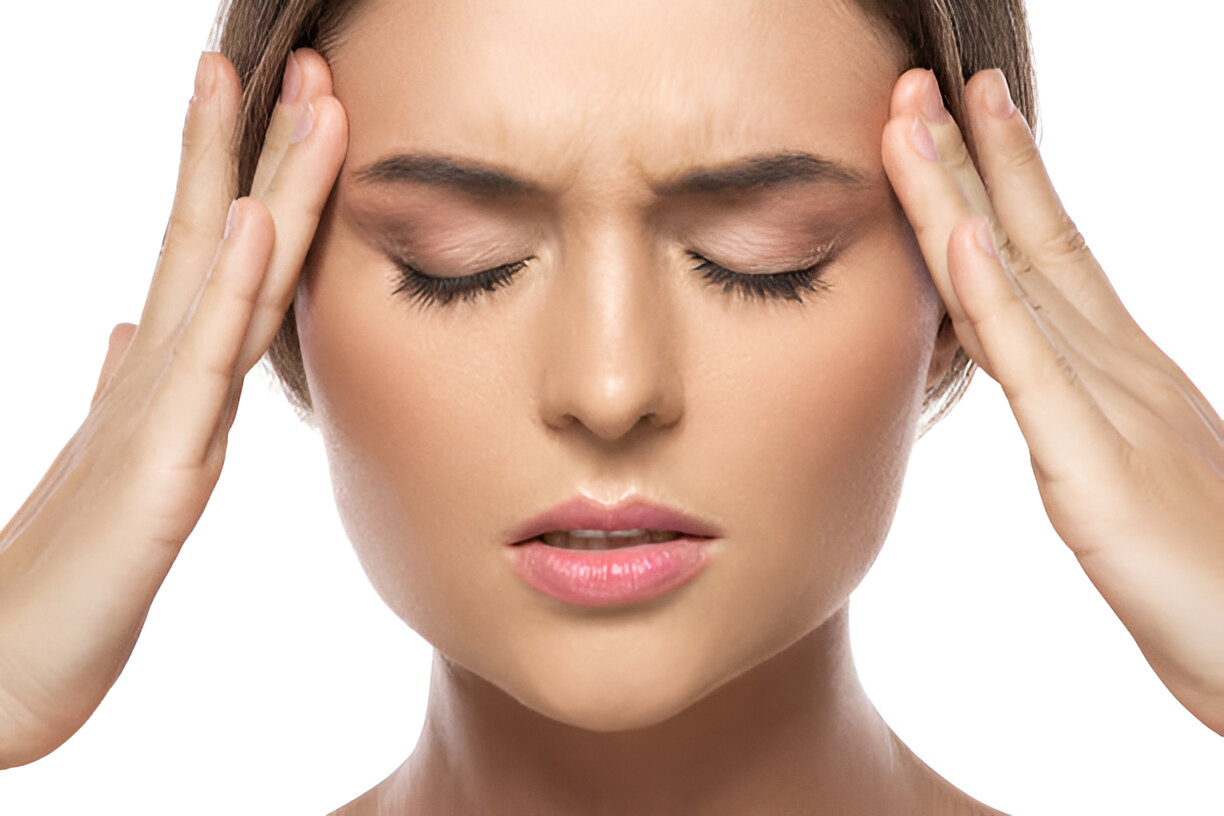
Botox for Migraine Relief: A Modern Approach to Chronic Pain
Migraines are more than just headaches—they are a debilitating neurological condition that affects millions worldwide. Characterized by intense throbbing pain, nausea, sensitivity to light and sound, and even visual disturbances, migraines can significantly impact daily life. While there are numerous treatment options available, one innovative and FDA-approved solution that has gained attention in recent years is Botox for migraine relief.
What is Botox?
Botox, short for botulinum toxin, is a purified protein derived from bacteria. While it's widely known for its cosmetic use in reducing wrinkles, Botox has a range of medical applications. In 2010, the U.S. Food and Drug Administration (FDA) approved Botox as a preventive treatment for chronic migraines—defined as experiencing headaches on 15 or more days per month, with at least eight days involving migraine.
How Does Botox Help Migraines?
Botox works by blocking the release of certain chemicals involved in pain transmission. When injected into specific muscles in the head and neck, it prevents nerve endings from sending pain signals to the brain. This helps reduce both the frequency and severity of migraines.
Unlike typical painkillers that are taken once a migraine starts, Botox is a preventive treatment. It's usually administered every 12 weeks through a series of 31 small injections in areas such as the forehead, temples, back of the head, and neck. Over time, patients often notice a significant reduction in migraine days and experience an improved quality of life.
Who is a Good Candidate?
Botox is recommended for individuals who suffer from chronic migraines, not for those with occasional tension or cluster headaches. Ideal candidates are those who:
- Experience 15 or more headache days per month
- Have tried other preventive medications without success
- Are seeking long-term relief from recurring migraines
Before starting Botox treatment, it's important to consult with a neurologist or a certified headache specialist to evaluate if this therapy is suitable for your condition.
Safety and Side Effects
Botox for migraines is generally safe when administered by a qualified medical professional. Common side effects may include:
- Neck pain or stiffness
- Mild headache after the procedure
- Temporary muscle weakness near the injection site
Serious side effects are rare, and most people tolerate the treatment well. It’s important to follow up regularly with your doctor to monitor the effects and adjust treatment if necessary.
For many chronic migraine sufferers, Botox has proven to be a game-changer. It doesn’t just offer symptom relief, it provides hope for reclaiming a life disrupted by frequent and intense migraines. If you've been battling migraines that interfere with your daily routine, it might be time to explore Botox as a long-term, effective solution.